H Macrophylla: The Versatile Flower That Can Be Pink Blue Or Both
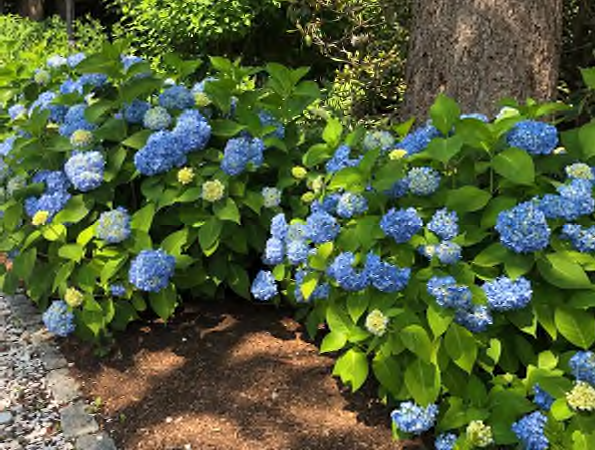
Hydrangea macrophylla, also known as bigleaf hydrangea, is a popular flowering shrub that is known for its large, showy blooms. These blooms can be blue, pink, or white, depending on the acidity of the soil. This makes hydrangeas a versatile plant that can be grown in a variety of settings.
In acidic soil (pH below 6), hydrangeas will produce blue flowers. This is because the aluminum in the soil reacts with the hydrangea's flowers to produce a blue pigment. In alkaline soil (pH above 7), hydrangeas will produce pink flowers. This is because the calcium in the soil reacts with the hydrangea's flowers to produce a pink pigment.
In neutral soil (pH 7), hydrangeas will produce white flowers. However, it is possible to change the color of hydrangea flowers by adjusting the acidity of the soil. For example, if you have a hydrangea that is currently producing pink flowers, you can add sulfur to the soil to make it more acidic and produce blue flowers. Conversely, if you have a hydrangea that is currently producing blue flowers, you can add lime to the soil to make it more alkaline and produce pink flowers.
In addition to their color-changing abilities, hydrangeas are also relatively easy to care for. They prefer full sun to partial shade and well-drained soil. They should be watered regularly, especially during the summer months. Hydrangeas are also susceptible to pests and diseases, but with proper care, they can be enjoyed for many years.
Here are some of the most popular hydrangea macrophylla varieties:
- 'Nikko Blue': This variety produces large, blue flowers that are perfect for cut arrangements.
- 'Endless Summer': This variety is known for its long blooming period. It can produce blue, pink, or white flowers, depending on the soil acidity.
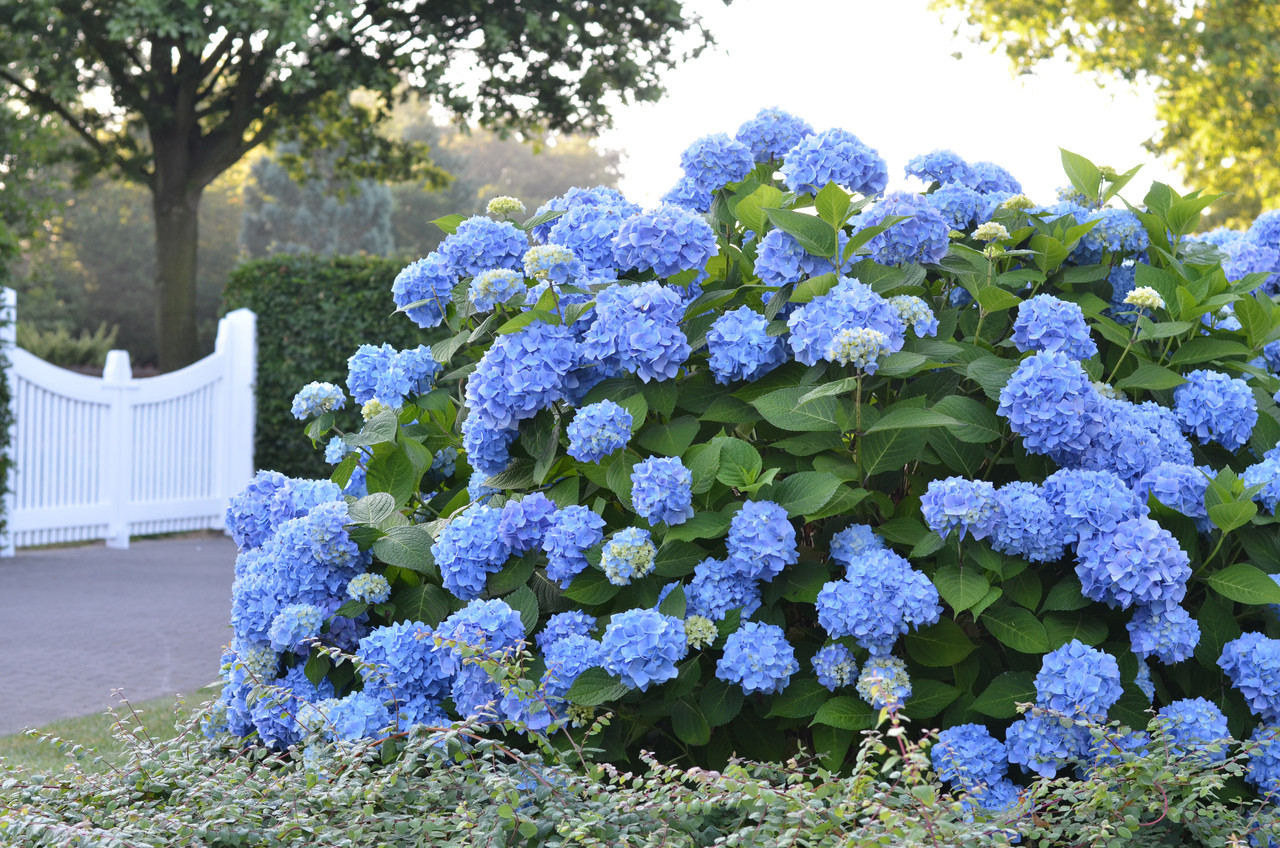
- 'Limelight': This variety produces large, lime green flowers that are perfect for adding a pop of color to the garden.
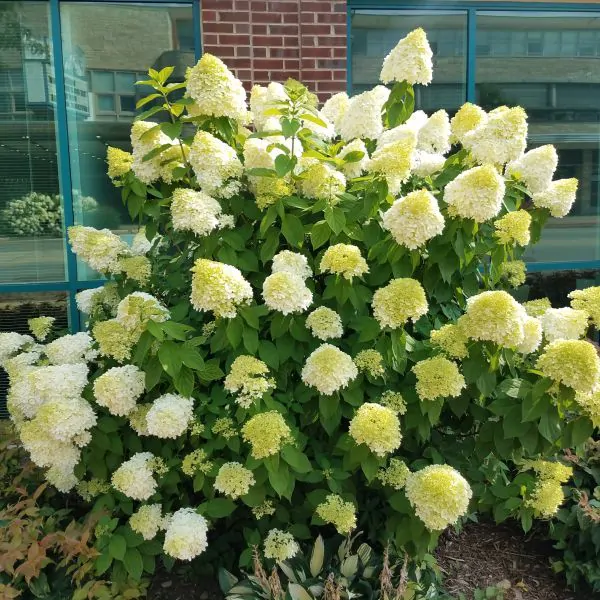
- 'Pink Annabelle': This variety produces large, pink flowers that are perfect for adding a touch of elegance to the garden.
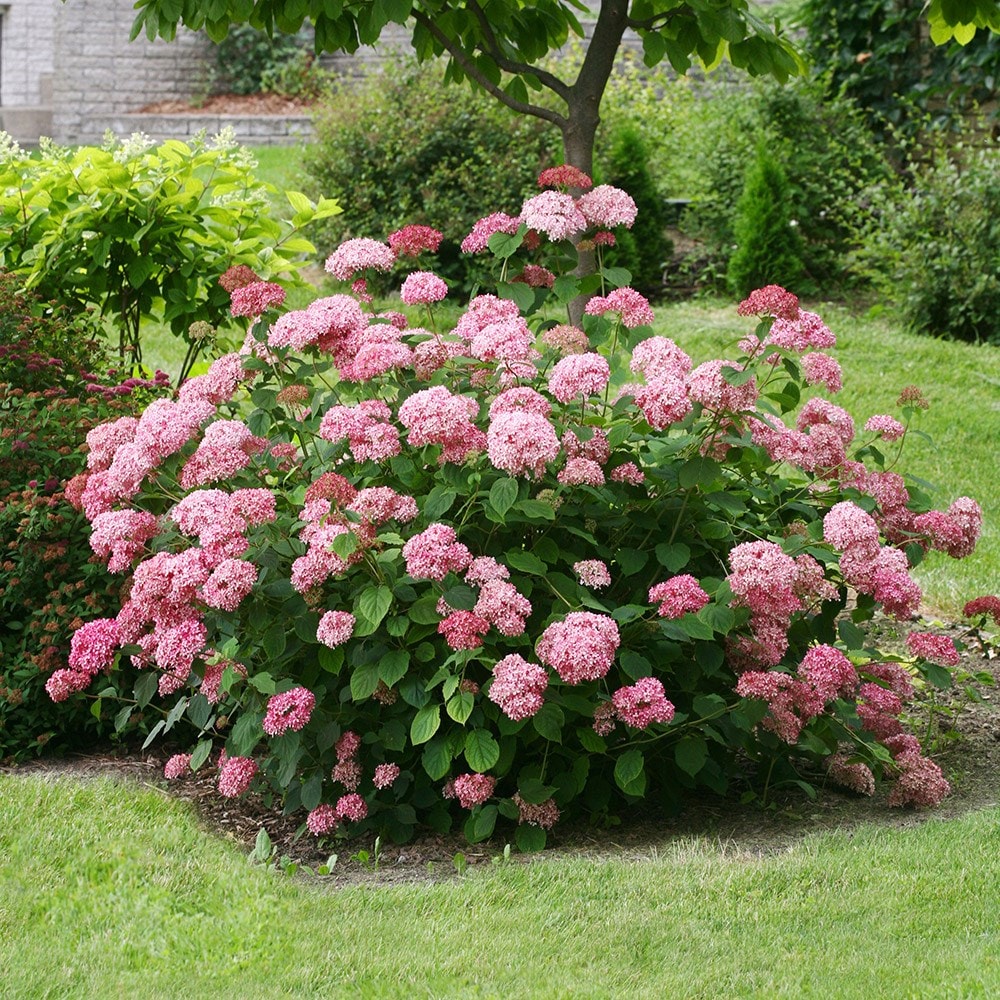
- 'French Lace': This variety produces delicate, lace-like flowers that are perfect for adding a touch of whimsy to the garden.


Hydrangeas are a versatile and beautiful addition to any garden. With proper care, they can provide years of enjoyment.
Hydrangea macrophylla, commonly known as bigleaf hydrangea, is a beautiful deciduous shrub that is native to Japan. It is known for its large, showy flowers that can bloom in a variety of colors, depending on the soil pH. Blue flowers develop in acidic soil (a pH of 5.0 to 5.5) and pink flowers from alkaline soil pH (6.0 to 6.5).
Bigleaf hydrangeas are relatively easy to care for and can thrive in a variety of climates. They prefer full sun to partial shade and moist, well-drained soil. They are also relatively pest- and disease-resistant.
If you are interested in learning more about bigleaf hydrangeas, I recommend visiting . This website has a wealth of information on the plant, including its history, cultivation, and care. You can also find a variety of photos and videos of bigleaf hydrangeas in bloom.
FAQ of h macrophylla
- What is H. macrophylla?
- How do I care for H. macrophylla?
- What are some common problems with H. macrophylla?
- How can I propagate H. macrophylla?
- Where can I buy H. macrophylla?
[1]
H. macrophylla, also known as the giant elephant ear, is a tropical plant that is native to Southeast Asia. It is a large plant that can grow up to 6 feet tall and wide. H. macrophylla has large, heart-shaped leaves that are green with purple undersides. The plant blooms in the summer with small, white flowers.
[2]
H. macrophylla is relatively easy to care for. It prefers full sun to partial shade and moist, well-drained soil. The plant should be watered regularly, especially during the summer months. H. macrophylla can be fertilized once a month during the spring and summer with a balanced fertilizer.
[3]
Some common problems with H. macrophylla include:
- Leaf spot: This is a fungal disease that causes brown spots on the leaves. To treat leaf spot, remove affected leaves and apply a fungicide.
- Aphids: These small insects can suck the sap from the leaves, causing them to wilt and yellow. To control aphids, spray the plant with insecticidal soap or neem oil.
- Scale: These small insects attach themselves to the leaves and stems of the plant and suck the sap. To control scale, scrape off the insects with a knife or insecticidal soap.
[4]
H. macrophylla can be propagated by division or from stem cuttings. To divide the plant, carefully dig it up and separate the rhizomes. Plant the rhizomes in a pot or in the ground in a sunny location. To propagate from stem cuttings, cut a 6-inch piece of stem and remove the bottom leaves. Plant the cutting in a pot of moist potting mix. Keep the soil moist and the cutting in a warm location. The cutting should root in about 4-6 weeks.
[5]
H. macrophylla can be purchased from most garden centers and online retailers. The plant is usually sold in 4-inch or 6-inch pots.
Image of h macrophylla
5 different images of "h macrophylla" from Pinterest:
- A large, green leaf with a deep purple underside.
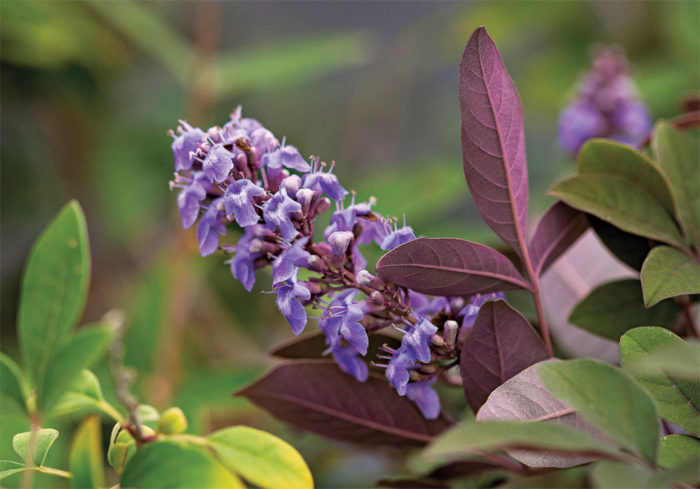
- A cluster of small, white flowers.

- A mature plant with several large leaves.
- A young plant with small, green leaves.
- A close-up of the leaf venation.
Post a Comment for "H Macrophylla: The Versatile Flower That Can Be Pink Blue Or Both"